










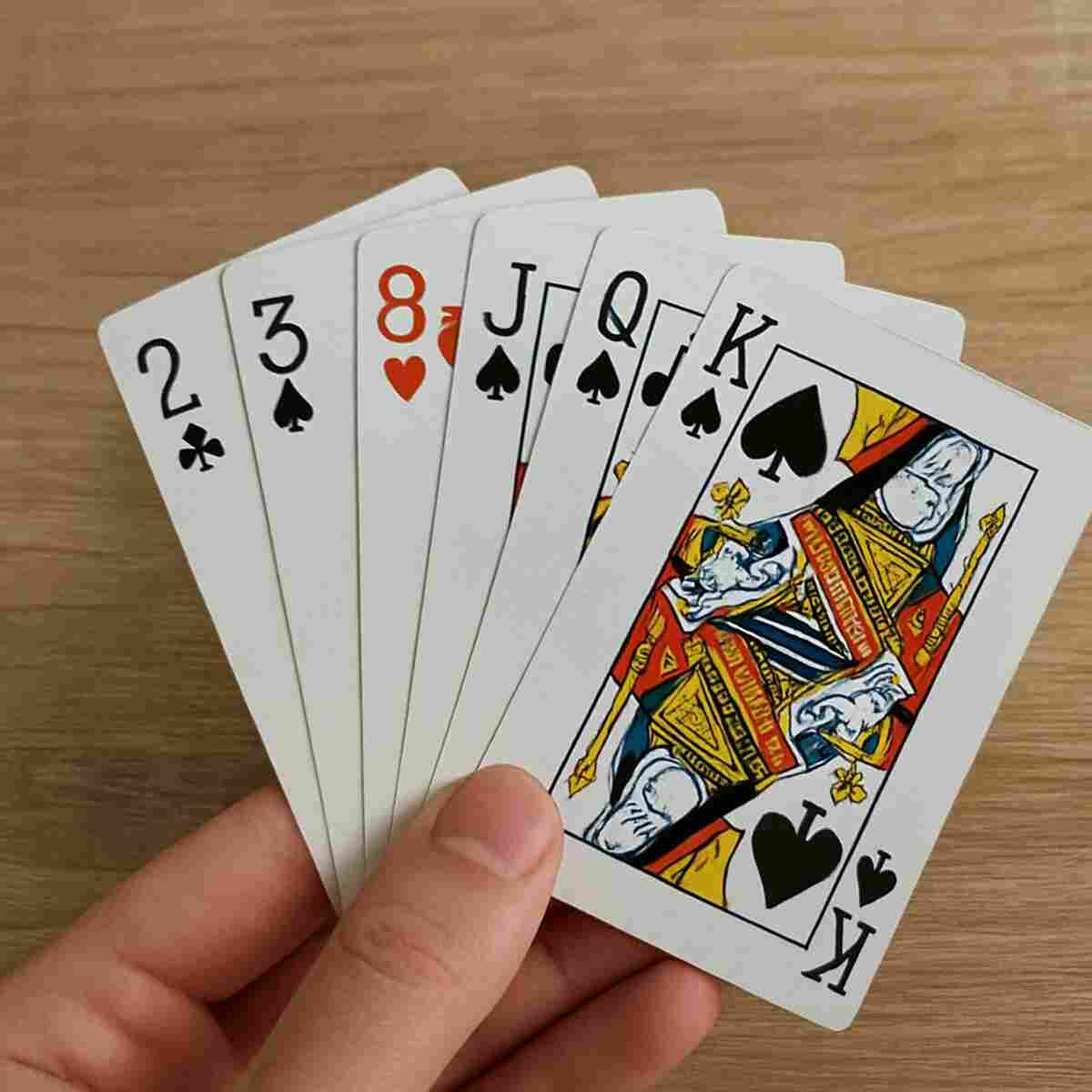
Good news: you probably already have everything you need to play Osmosis. Before diving into the rules, the first step is simply gathering the right number of cards. The correct player-to-deck ratio ensures the game flows properly, and it’s a simple calculation. Check out the Best info about Link lion8.
For a standard game, just grab the following:
- 2-4 players: 2 standard decks + 2 Jokers
- 5-6 players: 3 standard decks + 3 Jokers
- Pen and paper for scoring
With your decks in hand, it’s time to identify the most powerful cards in the game. In Osmosis, all 2s and Jokers are “wild,” meaning they can stand in for any other card you might need. Think of them as your secret weapon—a guaranteed Ace of Spades or the exact card required to complete a set. Knowing that 2s and Jokers are wild is a key part of the game’s basic rules.
Finally, you don’t need a special app or complicated scorepad. A simple pen and a piece of paper are perfect for tracking scores from round to round, making Osmosis an easy game to set up and play just about anywhere.
How the Game Flows: Understanding the 7 Rounds of Osmosis
A full game of Osmosis isn’t just one long match, but a series of seven smaller, self-contained “rounds.” This structure keeps the game moving and ensures no single bad hand can ruin your night. The clever part? Each round, the number of cards you’re dealt increases. You’ll start with a seven-card hand in the first round, then an eight-card hand in the second, and so on, all the way up to thirteen cards in the final, climactic round. This simple change makes each round feel like a fresh puzzle.
To get started, one person shuffles a standard 52-card deck and deals seven cards to each player for the first round. Don’t worry about the leftover cards in the deck; just place them face-down in the middle of the table. This stack of extra cards is called the stockpile. You’ll be drawing from it as you play, so keep it within everyone’s reach.
You’ll also need a place for cards that have been played and are now out of the round. Simply leave a space next to the stockpile. As players take their turns, this spot will fill up and become the discard pile. These two piles—the stockpile you draw from and the discard pile you play to—are the central hub of the game.
Once a round ends, the job of dealing passes to the player on the left. They’ll shuffle all the cards back together and deal the next round, giving each player one more card than before. With your first hand of seven cards and the piles ready, you can focus on your primary objective.
Your First Goal: How to Make Sets and Runs to Score Points
The main objective in Osmosis is to be the first player to empty your hand of cards. You achieve this by collecting specific combinations of cards and laying them face-up on the table in front of you. This process of playing a valid group of cards from your hand is called melding. Think of it as organizing the jumble of cards you were dealt into neat, scoring piles.
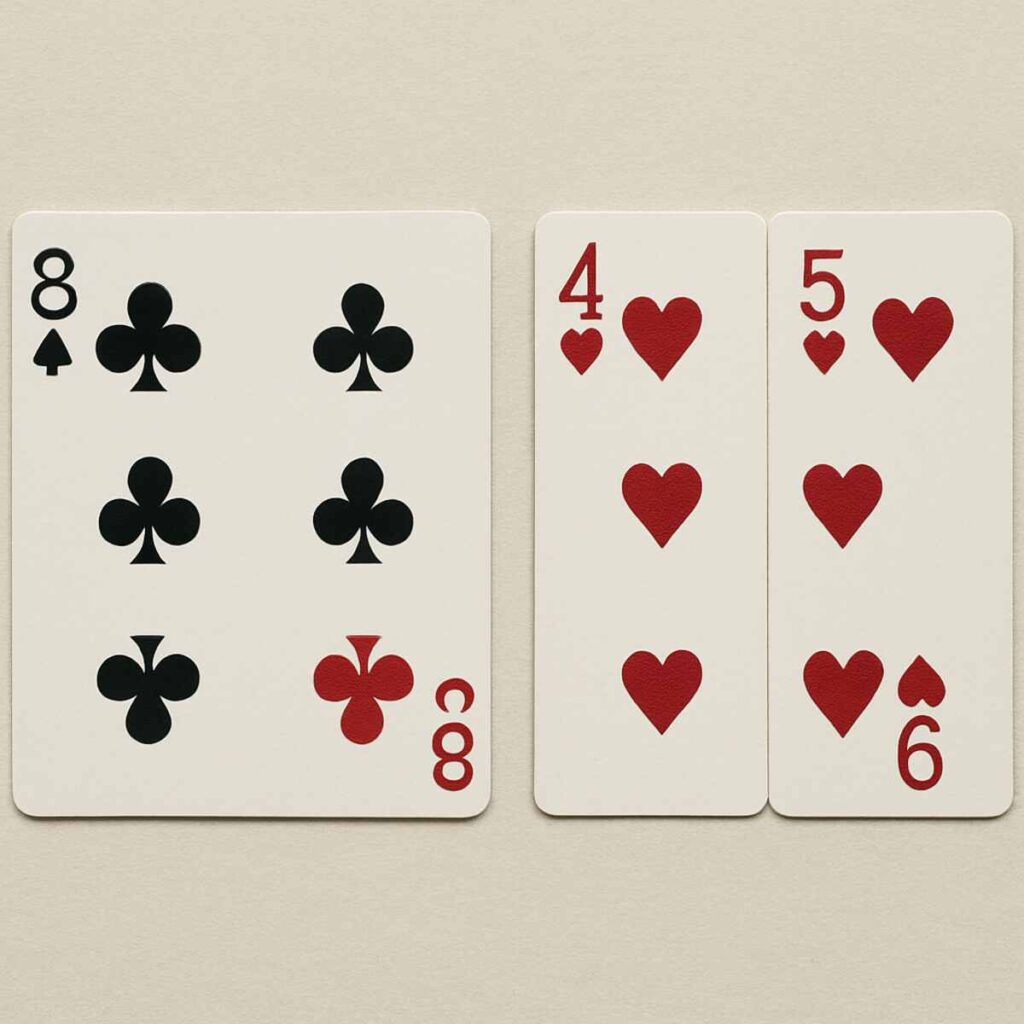
To meld, you need to form one of two types of combinations. The first is a set, which consists of three or more cards of the same rank (for example, three 8s). The second is a run, which is a sequence of three or more cards all from the same suit (like the 4, 5, and 6 of Hearts). The minimum size for any meld is always three cards.
Getting that perfect third card can feel like a waiting game, which is where wild cards become your best friends. In Osmosis, all four 2s in the deck are considered wild, along with any Jokers you choose to include. A wild card is a magical substitute that can stand in for any card you need to complete a set or a run.
Once you have a valid combination of at least three cards, you can lay it down on your turn. Getting your first meld on the table is a huge step toward winning the round. But what happens when the exact card you need is sitting right on top of the discard pile for everyone to see? That’s where a clever rule called “buying” comes into play.
The “Buy” Rule: How to Snag the Perfect Card from an Opponent
Seeing another player discard the exact card you need can be frustrating, but in Osmosis, it’s an opportunity. You can “buy” that top card from the discard pile at the start of your turn, instead of drawing from the main stockpile. However, this helpful move comes with a small price. When you choose to buy the discard, you must also draw an additional, unseen card from the stockpile as a “payment.” You then add both of these new cards to your hand.
Of course, there’s a catch to this powerful move. You are only allowed to buy a card from the discard pile if you can use it immediately in a meld during that same turn. For example, if a Queen of Spades is discarded and you’re holding the Jack and 10 of Spades, you can buy it to complete your run. You can’t just buy a card because you think you might need it later; the purchase must lead directly to action on the table.
This rule creates a fun and simple strategic choice. Buying a card helps you lay down your melds faster, moving you closer to winning the round. But the extra payment card is a gamble—it might be the perfect next piece for a future meld, or it could be junk that just clutters up your hand. Deciding whether the guarantee of one good card is worth the risk of an unknown one is a key part of Osmosis game strategy, and it all ties into the main goal: emptying your hand before anyone else.
How a Round Ends: The Race to “Go Out” First
The ultimate goal in any round of Osmosis is to be the first person to empty your hand. To do this, you need to meet two simple requirements. First, all the cards you’re holding (except for one) must be successfully arranged into melds on the table in front of you. Second, you must have one final card left over to place on the discard pile. Making that last discard is the winning move for the round, and it’s known as “going out.”
The moment one person successfully goes out, the round comes to an immediate halt for everyone else. Think of it like a sprint—once someone crosses the finish line, the race is over. There are no more turns, and no one gets another chance to play a card, even if they were just one move away from finishing themselves. This sudden stop makes the game a tense and exciting race to the finish.
This is where the real drama happens. Any cards your opponents are still holding are now trapped in their hands. These leftover cards aren’t just dead weight; they become penalty points that are tallied up against them. Getting your melds down on the table quickly isn’t just about winning—it’s also about avoiding the penalties you’ll get if someone else beats you to it. The face value of those cards can quickly add up, creating significant penalties.
How Scoring Works in Osmosis (and Why You Want Low Cards)
Once a player goes out and the round ends, it’s time to tally the score. In Osmosis, scoring is a simple two-part process: you get positive points for the cards you successfully played onto the table (your melds), but you get negative points for any cards you were caught holding. This means that a great round isn’t just about what you managed to play—it’s also about what you managed to avoid getting stuck with.
To figure out your score, you first need to know what each card is worth. As you can see, some cards are far more valuable (and dangerous) than others. Keep these values in mind as you play.
- Jokers: 25 points
- 2s (Wild): 20 points
- Aces: 15 points
- Kings, Queens, Jacks, 10s: 10 points
- 3 through 9: 5 points
Your final score for the round is calculated by adding up the value of all the cards in your melds on the table, then subtracting the value of all the cards left in your hand. For example, if you have 85 points worth of melds on the table but are caught holding a Joker (25 points), your score for the round is 60. If you were the one who went out, you have no cards in your hand, so you simply get to keep all your points!
This simple push-and-pull is what makes the game so interesting. Holding an Ace or a wild card feels powerful, but it’s a huge risk. If you can’t use it in a meld before someone goes out, its high point value will come back to bite you. This constant tension between building a high-scoring hand and minimizing your risk is the key to victory.
3 Simple Strategies to Win Your First Game of Osmosis
Knowing the scoring rules is one thing, but using them to your advantage is how you start winning. Since getting caught with high-value cards can be so painful, your first priority should be damage control. If you have a meld of Kings or Aces ready to play, get it on the table as soon as you can. It’s tempting to hold them while hoping to build a bigger run, but getting those 10 or 15-point cards safely out of your hand is almost always smarter than risking a massive penalty.
The decision to “buy” the top discard is another crucial moment. A good rule of thumb is to ask: does this card immediately complete a meld I can play this turn? If yes, buying is often worth it because you guarantee points and reduce your hand size. However, if you’re just buying a card hoping it will match something later, you’re taking a big gamble. You’re essentially paying for a card that might just become more dead weight.
You should also learn to love the discard pile. Don’t get too attached to every card, especially those with low values. If you’re holding a single 4 or 5 that doesn’t fit with anything else, it’s often best to just get rid of it. While it’s only 5 points, those small penalties add up. Purging this “dead wood” keeps your hand flexible and focused on melds you can actually complete, minimizing your risk if another player goes out unexpectedly.
Ultimately, winning at Osmosis is less about grand plans and more about smart, flexible decisions. This constant adaptation is one of the features that distinguishes it from other Rummy-style games.
Osmosis vs. Progressive Rummy: What’s the Real Difference?
If you’ve played any Rummy-style card games, the flow of Osmosis will feel familiar, but one key difference completely changes the feel of the game. In classic Progressive Rummy, the discard pile is restrictive; you can only take the top card if you can immediately use it in a meld. It’s a bit like a one-item-only sale—if you can’t use it now, you can’t have it. This often leads to a static game where players are stuck waiting for the perfect draw from the deck.
Osmosis, however, introduces the clever “buy” rule. Instead of being locked out, you can take that top discard even if you can’t use it yet. The price? You must also draw an extra card from the deck. This simple twist turns the discard pile from a graveyard of unwanted cards into a bustling marketplace. Suddenly, what other players throw away becomes a strategic opportunity, not just a missed connection.
This single change makes for a much more interactive and dynamic experience when comparing Osmosis vs Progressive Rummy. You’re no longer just playing your own hand; you’re constantly watching what others discard and weighing the cost of buying a card that could complete your meld later. It adds a delicious layer of risk and reward, making the game less about luck and more about bold, calculated decisions. This adaptability is especially important when you’re playing with a smaller group.
Can You Play Osmosis with 2 Players? Yes, and Here’s How
Great news for pairs: the Osmosis card game works beautifully with just two players, and the adjustment is incredibly simple. While the core experience remains the same, one small tweak to the “buy” rule makes the head-to-head game feel sharper and more strategic. This single change ensures the game is just as engaging with a partner as it is with a larger group.
Remember how you can “buy” the top card of the discard pile by also drawing one penalty card from the deck? In a game for 2 players, that cost goes up: when you buy a card, you must draw two penalty cards instead of one. This simple modification is one of the most important Osmosis game rules explained for smaller games, as it prevents one player from running away with all the good discards.
This higher cost makes every “buy” decision a much bigger gamble. Your hand can fill up with unwanted cards twice as fast, turning what might have been an easy choice into a tense moment of risk versus reward. This change creates a wonderfully dramatic tug-of-war, making the Osmosis game for 2 players a uniquely compelling experience you can set up and enjoy in minutes.
Grab a Deck and Start Playing: Your Osmosis Game Plan
The true magic of Osmosis isn’t just in its rules but in the constant, quiet decisions each player makes. Do you risk taking a high-value card to complete a meld, or do you play it safe to keep your score low? Every hand presents a new puzzle, turning a simple deck of cards into a friendly battle of wits and nerve. This delicate balance between ambition and caution is what makes the game a favorite for game nights.
You now know how to play—from spotting sets and runs to making the crucial choice to draw blind or buy a tempting discard. All that’s left is to gather a friend or two, a couple of decks of cards, and a osmosis score sheet template to keep track of the fun. Your first game night puzzle awaits.
