
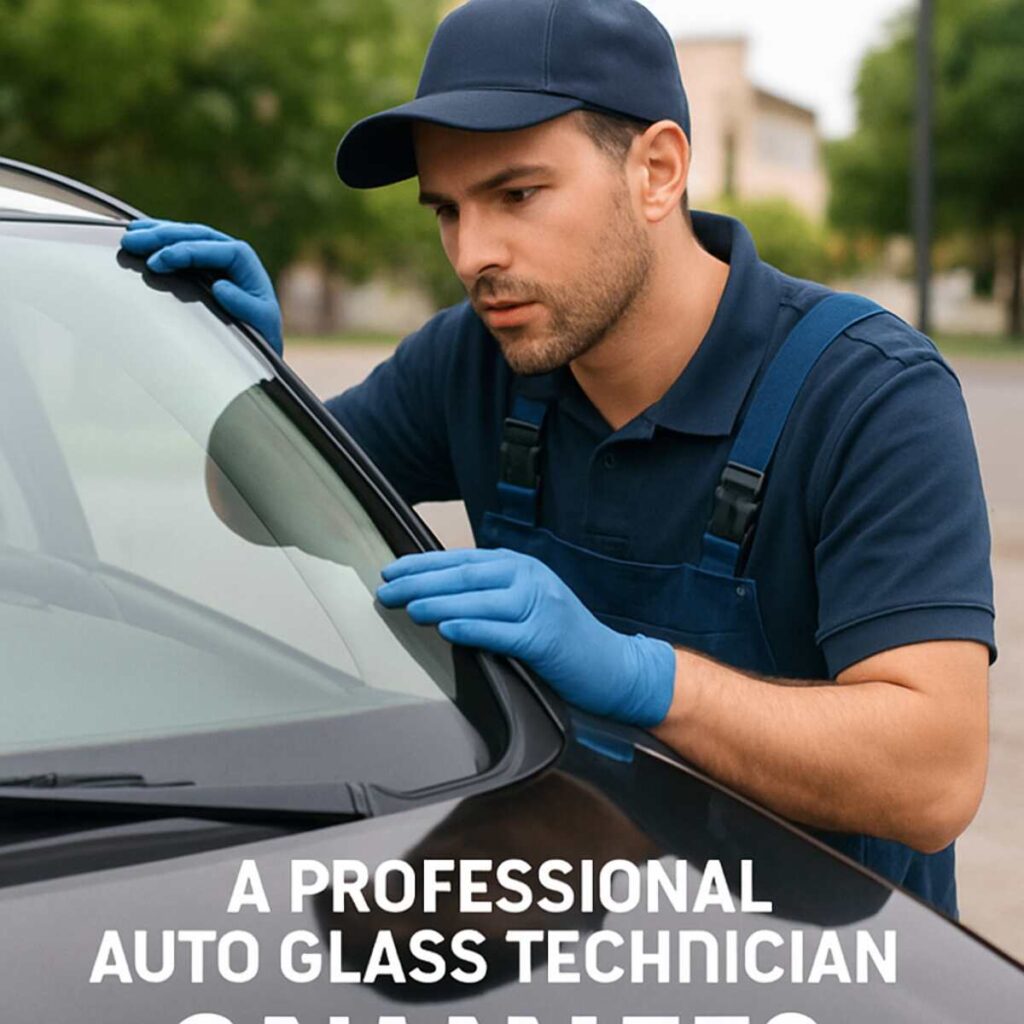
Whether you are commuting up the 101 to San Francisco or running errands along El Camino Real, driving in the Bay Area exposes your vehicle to a variety of road hazards. A stray pebble kicked up by a delivery truck or a sudden temperature change during a foggy coastal morning can quickly turn a pristine windshield into a spiderweb of cracks. When this happens, finding reliable San Mateo auto glass services becomes an immediate priority. The best guide to finding san mateo auto glass.
Your vehicle’s auto glass is not just there to keep the wind out of your hair and the bugs out of your teeth. It is a critical, structural component of your car that supports the roof in a rollover accident and ensures the proper deployment of airbags. Therefore, addressing chips, cracks, and shattered windows is a matter of paramount safety.
In this comprehensive guide, we will explore everything you need to know about auto glass maintenance, repair, and replacement. From understanding the nuances of modern windshield technology to navigating insurance claims, this article will equip you with the knowledge to make the best decisions for your vehicle.
Understanding Auto Glass Damage: Chips, Cracks, and Shatters
Auto glass damage comes in many shapes and sizes, and understanding the type of damage your vehicle has sustained is the first step in determining the right course of action.
The Anatomy of a Windshield Chip
Chips are small, localized areas of damage caused by an impact, usually from a rock or piece of road debris. They are typically categorized by their shape:
- Bullseye: A circular break with a distinct pit in the center.
- Star Break: A series of short cracks radiating outward from a central point of impact.
- Half Moon: Similar to a bullseye but not completely circular.
- Combination Break: A mix of a bullseye and a star break.
Stone Chip Repair vs Full Windshield Replacement
One of the most common questions vehicle owners ask is whether they need a stone chip repair vs full windshield replacement. The answer depends on three main factors: size, depth, and location.
- Size: Generally, if a chip is smaller than a quarter (about one inch in diameter), it can be repaired. If a crack is shorter than three inches, a repair is usually possible.
- Depth: Windshields are made of two layers of glass with a plastic interlayer. If the damage penetrates both layers of glass, a replacement is mandatory.
- Location: Damage located directly in the driver’s line of sight typically necessitates a replacement. Even a successful repair leaves a slight blemish, which can distort vision and cause a dangerous glare. Furthermore, damage at the very edge of the windshield compromises its structural integrity, often requiring a full replacement.
How to Stop a Windshield Crack from Spreading
If you have sustained a chip or a small crack, time is of the essence. Vibrations from driving, slamming car doors, and sudden temperature fluctuations can cause a tiny chip to expand rapidly. If you cannot get to a San Mateo auto glass repair shop immediately, here is how to stop a windshield crack from spreading in the short term:
- Apply Clear Packing Tape: Place a small piece of clear packing tape over the chip. This prevents dirt, moisture, and windshield washer fluid from entering the pit, which can ruin the chances of a clean repair later. Avoid using duct tape or opaque tapes, as they obscure your vision.
- Avoid Extreme Temperature Changes: Do not blast the AC on a hot day or the defroster on a freezing morning. The rapid expansion and contraction of the glass will almost certainly cause the crack to run.
- Park in the Shade: Keeping your car out of direct, baking sunlight helps stabilize the temperature of the glass.
- Drive Cautiously: Avoid potholes, speed bumps, and rough terrain. Do not slam your car doors, as the sudden change in cabin pressure can stress the glass.
Remember, these are temporary fixes. The only permanent solution is professional auto glass repair or replacement.

Types of Automotive Glass and Safety Standards
Not all glass in your car is created equal. Your vehicle utilizes different types of glass manufacturing techniques depending on where the glass is located, all designed with specific safety parameters in mind.
Laminated Versus Tempered Car Glass Safety
Understanding laminated versus tempered car glass safety is crucial for comprehending why your windshield behaves differently than your passenger windows during an impact.
Laminated Glass (Windshields) By law, all vehicle windshields must be made of laminated glass. This consists of two sheets of glass bonded together by a thin, transparent layer of polyvinyl butyral (PVB).
- The Safety Factor: When an object strikes a laminated windshield, the outer layer of glass may break, but the PVB interlayer holds the shattered pieces together. This prevents dangerous shards from flying into the cabin and keeps occupants from being ejected through the windshield during a collision. It also provides up to 30% of the vehicle’s structural roof support in the event of a rollover.
Tempered Glass (Side and Rear Windows) Most side windows and rear windshields are made from tempered glass. This glass is created by heating it to over 1,000 degrees Fahrenheit and then rapidly cooling it.
- The Safety Factor: This tempering process makes the glass up to five times stronger than standard glass. More importantly, when tempered glass breaks, it is designed to shatter into thousands of small, blunt, pebble-like pieces rather than jagged, lethal shards. This significantly reduces the risk of severe lacerations during an accident.
While some modern luxury vehicles are beginning to use laminated glass for side windows to improve sound insulation and theft resistance, tempered glass remains the industry standard for side and rear applications.
OEM vs Aftermarket Auto Glass Quality
When getting a windshield replacement, you will be faced with a choice regarding the origin of the glass. The debate surrounding OEM vs aftermarket auto glass quality is a common one.
- OEM (Original Equipment Manufacturer): This glass is manufactured by the same company that provided the original glass for your vehicle on the assembly line. It will have the automaker’s logo stamped on it. OEM glass is guaranteed to be an exact match in terms of thickness, color, shape, and durability.
- OEE (Original Equipment Equivalent): Manufactured by the same companies that make OEM glass, but without the automaker’s logo. It is built to the same strict standards but is usually more affordable.
- Aftermarket Glass: Manufactured by companies not affiliated with the automaker. While aftermarket glass must meet minimum Department of Transportation (DOT) safety standards, it may vary slightly in thickness, curvature, or tint. This can sometimes lead to increased wind noise or optical distortion.
Quality Glass Brands for Luxury Vehicles
If you drive a high-end European or luxury vehicle around the Peninsula, settling for cheap aftermarket glass can severely degrade your driving experience. Acoustic layers, solar-reflective coatings, and precise sensor brackets are essential. When looking for quality glass brands for luxury vehicles, keep an eye out for reputable manufacturers like Saint-Gobain Sekurit, Pilkington, and PGW (Pittsburgh Glass Works). These brands frequently supply the OEM glass for brands like Mercedes-Benz, BMW, Audi, and Lexus, ensuring that the replacement glass maintains the vehicle’s original aesthetic and acoustic integrity.
The Windshield Replacement Process
A proper windshield replacement is a highly technical procedure that requires precision, the right environment, and a deep understanding of automotive chemistry. A certified San Mateo auto glass technician will follow a strict set of protocols to ensure your safety.
Step-by-Step Windshield Replacement
- Inspection and Protection: The technician begins by inspecting the vehicle and laying down protective drapes over the hood, steering wheel, and dashboard to prevent scratches and debris buildup.
- Removal of Trim and Wipers: The windshield wipers, rearview mirror, and any exterior molding or trim are carefully removed.
- Cutting the Old Urethane: Using specialized cold knives, wire cutters, or power tools, the technician cuts through the old urethane adhesive that holds the windshield to the vehicle’s pinch weld (the metal frame).
- Cleaning and Priming: This is a critical step. The old urethane is trimmed down to a thin layer. The bare metal of the pinch weld is cleaned and treated with a special primer. This primer prevents rust and creates a chemical bond between the metal and the new adhesive. If a technician skips the primer, rust can develop, which will eventually push the new windshield out of place and cause leaks.
- Applying New Adhesive: A thick bead of high-quality, automotive-grade urethane is applied along the perimeter of the pinch weld.
- Setting the Glass: Using suction cups (or specialized lifting equipment for larger vehicles), the technician carefully lowers the new windshield into place, ensuring it is perfectly centered.
- Reassembly: The wipers, mirror, and trim are reinstalled.
Safe Drive-Away Time for Urethane Adhesives
One of the most critical, yet often overlooked, aspects of a windshield replacement is the SDAT. The safe drive-away time for urethane adhesives refers to the amount of time your vehicle must remain parked before the adhesive has cured enough to meet Federal Motor Vehicle Safety Standards (FMVSS).
Urethane adhesives rely on moisture in the air to cure. Therefore, the temperature and humidity of the environment heavily influence the curing time.
- Standard Urethanes: May require several hours to a full day to cure safely.
- Advanced/Fast-Cure Urethanes: High-quality shops use advanced adhesives that offer a safe drive-away time of as little as 30 to 60 minutes, even in varying weather conditions.
Driving your car before the SDAT has been reached is incredibly dangerous. If you get into an accident before the urethane is cured, the force of the airbags deploying (which bounce off the windshield at speeds up to 200 mph) can blow the windshield entirely out of the car. Always ask your technician what the specific drive-away time is for your vehicle.
Modern Technology: ADAS and Auto Glass
Vehicles today are smarter than ever, heavily relying on a network of cameras, lasers, and radar sensors to keep you safe. Many of these components are mounted directly on or behind the windshield.
What is ADAS?
ADAS stands for Advanced Driver Assistance Systems. This umbrella term covers safety features such as:
- Lane Departure Warning (LDW)
- Lane Keep Assist (LKA)
- Forward Collision Alert (FCA)
- Autonomous Emergency Braking (AEB)
- Adaptive Cruise Control (ACC)
ADAS Recalibration After Front Windshield Swap
When your windshield is replaced, the forward-facing camera attached to the glass is removed and reattached. Even if the camera is off by a millimeter, or the pitch is altered by a fraction of a degree, the entire system can fail. A camera that is slightly misaligned might perceive a vehicle ahead to be 50 feet away when it is actually only 30 feet away, resulting in your emergency braking system deploying too late.
This is why ADAS recalibration after front windshield swap is not an optional upsell—it is a mandatory safety requirement. There are two primary types of recalibration:
- Static Recalibration: This is performed in a controlled environment (like a well-lit shop floor). The technician sets up highly precise target boards at specific distances from the vehicle, and specialized diagnostic software is used to align the camera to the targets.
- Dynamic Recalibration: This requires the technician to plug a diagnostic tool into the vehicle’s OBD-II port and drive the car at specific speeds on well-marked roads until the system recognizes the lane markers and calibrates itself.
Many San Mateo auto glass shops have invested heavily in the expensive diagnostic equipment required for ADAS recalibration, ensuring you leave the shop with your safety systems functioning exactly as the manufacturer intended.
Comprehensive Glass Solutions: Beyond the Windshield
While windshields get the most attention, modern vehicles are encased in glass, and a reputable shop will handle repairs and replacements for the entire vehicle cabin.
Side Window Replacement Services
Whether due to a break-in or a severe side-impact collision, a shattered side window leaves your car vulnerable to weather and theft. Because side windows are made of tempered glass, they cannot be repaired; they must be completely replaced.
The replacement process involves removing the interior door panel, vacuuming out the thousands of glass fragments from inside the door cavity, installing the new glass into the window track, and testing the motor mechanisms.
When budgeting for this, the average cost of passenger side window replacement typically ranges from $200 to $500, depending on the make and model of the vehicle. Luxury vehicles with acoustic, double-paned side windows will fall on the higher end of that spectrum. Labor rates, the cost of the specific glass part, and the cleanup of the shattered glass all factor into the final price.
Broken Rear Window Replacement Service
Replacing a back glass is similar to a windshield but comes with its own unique challenges. A broken rear window replacement service must account for the defrost grid and, in many modern cars, the radio antenna that is integrated into the glass.
When shattered, tempered rear glass creates an enormous mess, often falling into the trunk, rear seats, and the structural crevices of the car. A thorough technician will spend a significant amount of time vacuuming the interior and the hidden channels to ensure no rattling glass remains before applying the urethane and setting the new rear window. Furthermore, the technician must carefully reconnect the electrical wiring for the defrost and antenna grids.
Fixing Mechanisms: Power Windows and Sunroofs
Sometimes the glass is perfectly fine, but the mechanisms that move it are broken. Full-service auto glass shops frequently handle these mechanical issues.
Power Window Motor and Regulator Repair If you press your window switch and hear a grinding noise, or if the window drops down into the door and refuses to come back up, you likely need a power window motor and regulator repair.
- The Motor: This is the electrical component that provides the power to move the window.
- The Regulator: This is the mechanical track-and-cable or gear system that actually guides the glass up and down.
Over time, the plastic clips on a cable regulator can snap due to age and temperature fluctuations, or the motor can burn out. A skilled technician can remove the door panel, diagnose whether the issue is electrical (switch/motor) or mechanical (regulator), and replace the faulty assembly, getting your window back on track.
Fixing a Leaking Car Sunroof A sunroof is a wonderful feature on a sunny California day, but a leaking one can ruin your car’s interior, causing mold, electrical shorts, and a terrible odor. Fixing a leaking car sunroof rarely involves replacing the glass itself. Most sunroofs are designed to let a small amount of water past the glass seal; this water is caught by a drip tray and routed out of the car through small rubber drain tubes hidden in the pillars of the vehicle.
Usually, a leak is caused by these drain tubes becoming clogged with dirt, pine needles, or debris. A technician will carefully clear these lines using compressed air or a flexible wire. If the leak persists, it may require replacing the main weather stripping seal around the perimeter of the sunroof glass.
Scratches and Minor Blemishes
Not all auto glass damage requires a dramatic replacement. Sometimes, the issue is simply surface-level wear and tear that impedes visibility.
Windshield Wiper Scratch Removal Guide
One of the most frustrating types of auto glass damage is the persistent, arcing scratch caused by worn-out windshield wipers. When the rubber blade deteriorates, the metal or hard plastic arm drags directly across the glass, leaving a scratch directly in your line of sight. Sand and grit trapped under the wiper blade can also cause micro-scratches over time.
If the scratch is light enough that your fingernail does not catch in it when you run it across the glass, you may be able to polish it out. Here is a basic windshield wiper scratch removal guide:
- Clean the Glass: Wash the windshield thoroughly with automotive glass cleaner and a microfiber towel to remove all dirt and debris.
- Use Cerium Oxide: Cerium oxide is a rare-earth metal compound used specifically for polishing glass. Mix the cerium oxide powder with water to create a slurry with a toothpaste-like consistency.
- Apply to a Polishing Pad: Apply the slurry to a felt polishing pad attached to a dual-action orbital polisher.
- Polish the Scratch: Work the polisher over the scratched area using moderate pressure and a slow, overlapping pattern. Keep the area damp by spraying it lightly with water; if the glass gets too dry, the friction will create excess heat, which can warp or crack the windshield.
- Wipe and Inspect: Periodically wipe the slurry away to check your progress. This process takes patience and can easily take 30 to 45 minutes of active polishing.
A Word of Caution: If the scratch is deep enough to catch your fingernail, polishing will not work. In fact, attempting to polish out a deep scratch can create a localized dip in the glass, resulting in a funhouse-mirror optical distortion that is just as dangerous as the scratch itself. For deep scratches, or if you are not comfortable using power tools on your windshield, consult a San Mateo auto glass professional.
Finding the Right Services in San Mateo and the Peninsula
The San Francisco Peninsula features a unique driving environment. Drivers deal with heavy traffic on the 101, steep hills, coastal salt air, and dense micro-climate fog. This environment demands that your auto glass is in optimal condition.
Choosing a Certified Glass Technician Peninsula California
When searching for San Mateo auto glass services, you should not hand your keys over to just anyone. You want to ensure the work is done by a certified glass technician Peninsula California drivers can trust.
Look for shops and technicians certified by the Auto Glass Safety Council (AGSC). The AGSC is a non-profit organization dedicated to the safe repair and replacement of auto glass. Technicians with this certification have undergone rigorous training and testing on the best safety practices, proper urethane application, and current FMVSS regulations. When you choose an AGSC-certified technician, you are ensuring that your vehicle is being repaired to the highest industry standards.
The Convenience of Mobile Windshield Replacement Peninsula
Life in the Bay Area is busy. Between work, commuting, and family obligations, finding the time to drop your car off at a shop for half a day can be a logistical nightmare.
This is where mobile windshield replacement Peninsula services shine. Many top-tier auto glass companies operate fleets of fully equipped vans that can come directly to your home driveway, your office parking lot, or even a local shopping center.
Benefits of Mobile Auto Glass Service:
- Convenience: You do not have to disrupt your schedule. You can continue working or relaxing while the technician handles the replacement right outside.
- Safety: If your windshield is severely smashed, driving it to a shop is incredibly dangerous and potentially illegal. A mobile service eliminates the need for a risky drive or an expensive tow.
- No Wait Times: You don’t have to sit in a waiting room drinking stale coffee while your vehicle is serviced.
A Note on Mobile Service Limitations: While mobile service is fantastic for most replacements, extreme weather can affect it. Urethane adhesives require specific temperature and humidity ranges to cure properly. If it is pouring rain or unseasonably cold, the mobile technician may need to set up a canopy or recommend bringing the vehicle into their climate-controlled shop for the safest possible installation. Additionally, some complex ADAS recalibrations require a perfectly level floor and controlled lighting, meaning the vehicle must be brought into the shop.
Auto Glass and Your Car Insurance
Navigating the financial aspect of auto glass repair can sometimes be as stressful as the damage itself. Understanding your insurance policy will save you time and money.
Does Car Insurance Cover Glass Chip Repair?
The short answer is: highly likely, provided you have comprehensive coverage.
Comprehensive insurance covers damage to your vehicle that is not the result of a collision with another car (e.g., vandalism, falling branches, theft, and rock chips). If you are wondering, “does car insurance cover glass chip repair?”, you will be pleased to know that most major insurance providers will cover the cost of a chip repair without you having to pay a deductible.
Insurance companies offer this deductible waiver because they would much rather pay a shop $75 to $100 to fix a small chip today than pay out $800 to $1,500 for a full windshield replacement (including ADAS recalibration) next month when that chip spreads into a massive crack.
Handling Full Replacements Through Insurance
If the damage requires a full replacement, your comprehensive coverage will apply, but you will typically be responsible for paying your deductible. For example, if your windshield replacement costs $900 and your deductible is $500, you pay the shop $500, and the insurance pays the remaining $400.
If your deductible is higher than the total cost of the replacement (e.g., you have a $1,000 deductible), you will pay for the replacement out of pocket, and it will not make sense to file a claim.
Tips for Auto Glass Insurance Claims:
- Ask Your Shop to Help: High-quality San Mateo auto glass repair shops have dedicated billing specialists who work directly with major insurance companies (like GEICO, State Farm, Progressive, and AAA). They can usually handle the claim process, file the paperwork, and get the approvals on your behalf, saving you hours on the phone.
- Choose Your Own Shop: Under California law, you have the “right to choose” your automotive repair facility. Your insurance company cannot legally force you to use their preferred network shop if you prefer a local, highly-rated certified technician in San Mateo.
- Will My Rates Go Up? Generally, filing a comprehensive claim for a single broken windshield will not cause your insurance premiums to skyrocket, as it is considered a “no-fault” incident. However, if you file multiple claims in a short period, your provider may review your policy.
Proactive Auto Glass Maintenance Tips
Once you have invested in a pristine new windshield or had your side window replaced, keeping it in top condition is essential for your safety and your wallet. Follow these proactive maintenance tips to extend the life of your auto glass:
- Change Your Wiper Blades Regularly: Wiper blades should be replaced every 6 to 12 months. Once the rubber starts skipping, streaking, or squeaking, it is time for a new pair. This prevents the metal or hard plastic from scratching the glass.
- Clean Glass Safely: Never use harsh, ammonia-based household glass cleaners (like standard Windex) on your car, especially if your windows are tinted. Ammonia breaks down window tint and can dry out the rubber molding around your glass. Use a dedicated automotive glass cleaner and a clean microfiber towel.
- Keep Your Distance: The easiest way to prevent rock chips is to avoid tailgating, especially on highways like I-280 or Highway 101. Give a wide berth to construction vehicles, gravel haulers, and semi-trucks with double rear tires, as these are prime culprits for kicking up stones.
- Avoid Harsh Chemicals and Scrapers: In the rare event of a Peninsula frost, do not pour hot water on your windshield to melt the ice—the thermal shock will shatter the glass. Use a plastic ice scraper, never metal, and let your car’s defroster do the heavy lifting.
- Park Smart: Whenever possible, park in a garage or under a carport to protect your vehicle from falling branches, hail, and extreme UV rays, which can slowly degrade the rubber seals around your windows.
The Final Word on Auto Glass Services
Your vehicle’s glass is an intricate system combining structural engineering, advanced safety technology, and specialized chemistry. Whether you are dealing with a minor bullseye chip from a wayward pebble or require a full windshield replacement complete with dynamic sensor recalibration, choosing the right professionals is non-negotiable.
By understanding the types of glass used in your vehicle, the difference between OEM and aftermarket parts, and the critical importance of proper urethane curing times and ADAS recalibration, you are empowered to make informed decisions.
When searching for San Mateo auto glass solutions, prioritize quality, certification, and transparency over the cheapest possible price quote. A properly installed windshield doesn’t just give you a clear view of the beautiful Bay Area roads—it protects your life and the lives of your passengers every time you get behind the wheel. Don’t wait for a small crack to become a major hazard; consult with a certified auto glass specialist today to keep your vehicle safe, secure, and ready for the road ahead.