










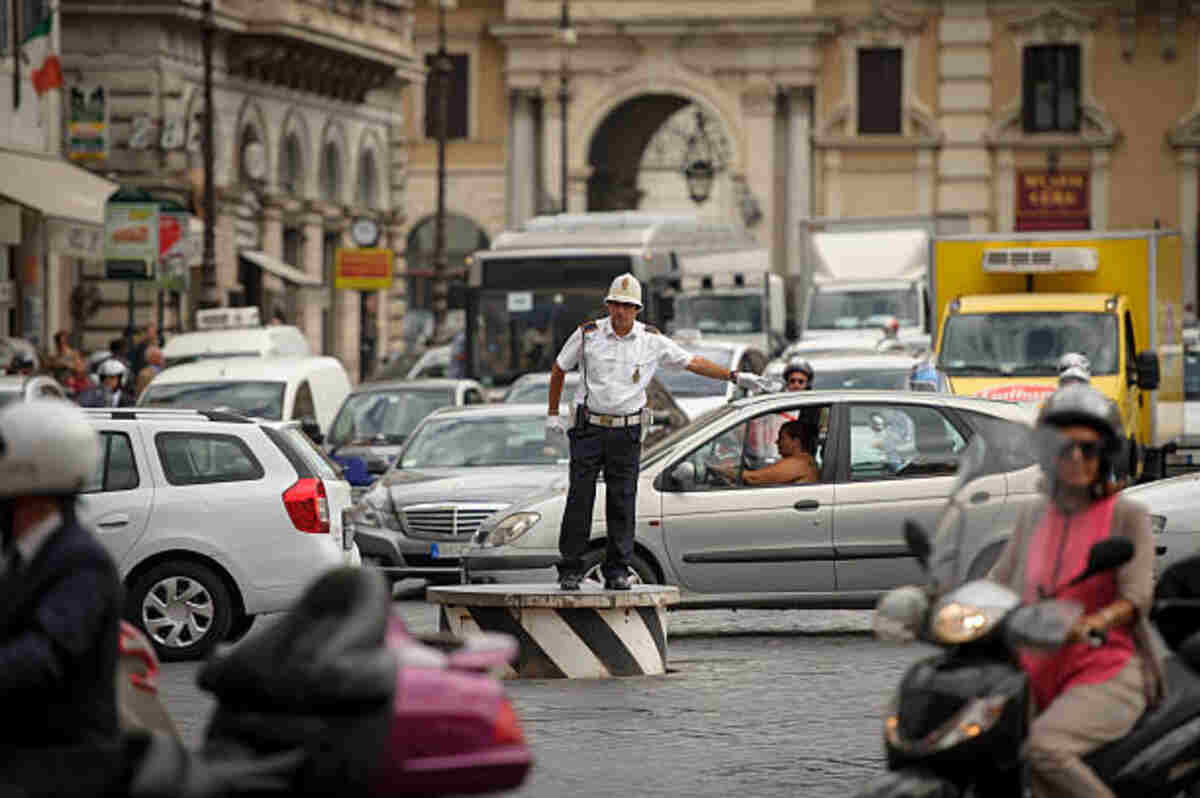
Roads are more than just transport corridors—they are living systems that support daily commutes, freight movement, emergency access, public events, and major infrastructure development. As South East Queensland continues to grow, the pressure on these systems increases, making effective traffic control a critical part of public safety and urban planning.
While most people only notice traffic control when they encounter roadworks or detours, the discipline itself is far more complex and strategic than it appears on the surface.
What Is Traffic Control, Really?
Traffic control refers to the planning, coordination, and on-site management of vehicle and pedestrian movement when normal road conditions are disrupted. These disruptions can range from construction and maintenance works to events, emergencies, and utility installations.
At its core, traffic control is about risk management. It aims to reduce the likelihood of accidents, protect workers and road users, and ensure that traffic continues to flow as efficiently as possible—even when lanes are closed or conditions are altered.
Why Traffic Control Matters More Than Ever
South East Queensland has experienced rapid population growth, increased freight demand, and ongoing infrastructure expansion. These changes mean more frequent roadworks, larger construction zones, and a higher volume of vehicles sharing limited space.
Without structured traffic control measures in place, even minor works could result in:
- Increased collision risk
- Traffic congestion spreading far beyond the work zone
- Confusion for drivers and pedestrians
- Delays to emergency services and public transport
Well-designed traffic control systems help prevent these outcomes by introducing predictability into otherwise disrupted environments.
The Planning Behind the Cones
What most drivers see—cones, signs, portable signals, and traffic controllers—is the visible end result of detailed planning. Before a single device is placed on the road, traffic management design considers factors such as:
- Road classification and speed limits
- Traffic volumes and peak usage times
- Pedestrian and cyclist movements
- Nearby intersections and access points
- Emergency vehicle requirements
This planning ensures that temporary traffic arrangements align with regulatory standards while remaining practical for real-world conditions.
Technology’s Role in Modern Traffic Control
Traffic control has evolved significantly over the last two decades. Modern operations often rely on purpose-built vehicles, portable traffic signals, variable message signs, and truck-mounted attenuators designed to absorb impact and protect workers.
These tools allow traffic conditions to be adjusted dynamically, particularly on high-volume roads and motorways where static signage alone is insufficient. The integration of technology improves response times, visibility, and overall safety outcomes.
Traffic Control Beyond Construction Sites
While roadworks are the most common association, traffic control plays a vital role in many other scenarios, including:
- Public and private events
- Utility maintenance and emergency repairs
- Local government works
- Major infrastructure upgrades
- Incident response and recovery
In each case, the goal remains the same: maintain safe movement while minimising disruption.
The Human Element
Despite advances in equipment and design, trained traffic controllers remain central to effective traffic management. These professionals are responsible for real-time decision-making, adapting to changing conditions, and communicating clearly with road users.
Their role requires a strong understanding of safety protocols, situational awareness, and the ability to remain calm in high-pressure environments. This human element is often what bridges the gap between theoretical planning and on-ground reality.
Why Experience and Local Knowledge Matter
Traffic conditions can vary widely depending on location, time of day, and community behaviour. Local knowledge—such as understanding school zones, commuter patterns, and seasonal traffic surges—plays a significant role in designing effective control measures.
Providers with experience across diverse environments, from motorways to local streets and event spaces, are better equipped to anticipate challenges and implement practical solutions.
For those interested in understanding how professional traffic control services operate across South East Queensland, this overview of traffic control provides useful context into the scope and responsibilities involved.
Looking Ahead
As cities continue to expand and infrastructure projects increase in scale, traffic control will remain an essential component of safe and efficient transport networks. Ongoing investment in training, planning, and technology will be key to meeting future demands while protecting both road users and workers.
Though often taken for granted, effective traffic control quietly supports the movement of millions of people every day—keeping communities connected, projects on schedule, and roads safer for everyone.
