










Have you ever wondered why some hookah sessions fade after a fleeting 45 minutes while others stretch into a rich, two-hour experience? In the world of hookah, there is one name spoken with equal parts reverence and caution: Tangiers. If standard, honey-colored lounge tobacco is the sweet, frothy latte of the smoking scene, Tangiers hookah tobacco is the triple-shot ristretto espresso. It represents the pinnacle of “dark leaf” tobacco, meaning the leaves are completely unwashed and retain their natural, earthy nicotine kick rather than having it rinsed away. Obtain the Best information about Tangiers hookah tobacco.
Born from a relentless pursuit of perfection, this specific brand single-handedly turned a casual social hobby into an uncompromising craft. According to long-term enthusiasts who follow the Eric Hoffman San Diego shisha history, the brand’s late visionary creator insisted on a strictly hand-made ethos. Unlike mass-produced brands that pump out syrupy, brightly dyed batches by the ton, this artisan shisha is crafted in small quantities. Every vacuum-sealed package is carefully mixed by hand, ensuring a level of meticulous quality control that mechanized factory lines simply cannot replicate.
Smoking this legendary brand requires recalibrating your entire understanding of bowl preparation. Industry data reveals that standard mass-produced tobacco loses its flavor rapidly under high heat, but proper dark leaf shisha thrives on specialized packing techniques to unlock incredible session longevity. In practice, a correctly prepared bowl of Tangiers resists the heat, yielding dense clouds and remarkable flavor clarity that easily surpasses the two-hour mark without tasting burnt. It also delivers a robust, heavy buzz that commands respect, closely mimicking the physical rush of drinking a strong cup of dark roast coffee on an empty stomach.
Mastering this dense, sticky tobacco might seem intimidating at first glance, especially when your first look at it smells like rich earth and molasses rather than artificial candy. Most veteran smokers agree that while Tangiers demands a specific, hands-on skill set to prepare correctly, the unmatched flavor clarity makes the effort entirely worthwhile. Learning to properly pack and manage heat for this artisan blend will ultimately elevate your entire hookah experience, transforming an everyday puff into a masterclass in flavor.
What is ‘Unwashed’ Tobacco? The Secret Behind the Dark Leaf Strength
If you’ve only smoked the bright, honey-colored hookah tobacco found in typical lounges, your first look at Tangiers might be a shock. Standard “blonde leaf” goes through a vigorous washing process that rinses out the natural nicotine and original tobacco character, creating a blank canvas for sweet flavors. Tangiers, however, is strictly an unwashed tobacco. By skipping this rinse before blending with molasses, the leaves retain a rich, nearly black appearance that visually signals a completely different smoking experience.
Leaving the plant in its natural state does more than change the color; it locks in the raw strength. Without washing, dark leaf tobacco holds onto significantly more nicotine, delivering a robust buzz that often surprises casual smokers. The flavor profile also shifts dramatically. Instead of tasting like pure candy, unwashed blends carry deep, earthy undertones—much like how an artisan dark chocolate bar balances fruity sweetness with a roasted, complex bitterness.
Embracing this authentic backbone is why enthusiasts seek out unwashed blends, but jumping into the strongest batch can feel overwhelming. Fortunately, Tangiers crafts their signature leaf in different strengths to accommodate varying tolerances, creating a complexity gradient similar to coffee roasts.
The Coffee Gradient: Navigating Tangiers’ Complexity Levels
Because nicotine is a powerful stimulant, underestimating unwashed shisha strength is a quick recipe for nausea. The buzz from dark leaf tobacco builds steadily over your session, much like the feeling of drinking a strong cup of coffee on an empty stomach. Your body needs time to naturally build a tolerance to this elevated nicotine intake, making it essential to match your current comfort level to the right batch of tobacco.
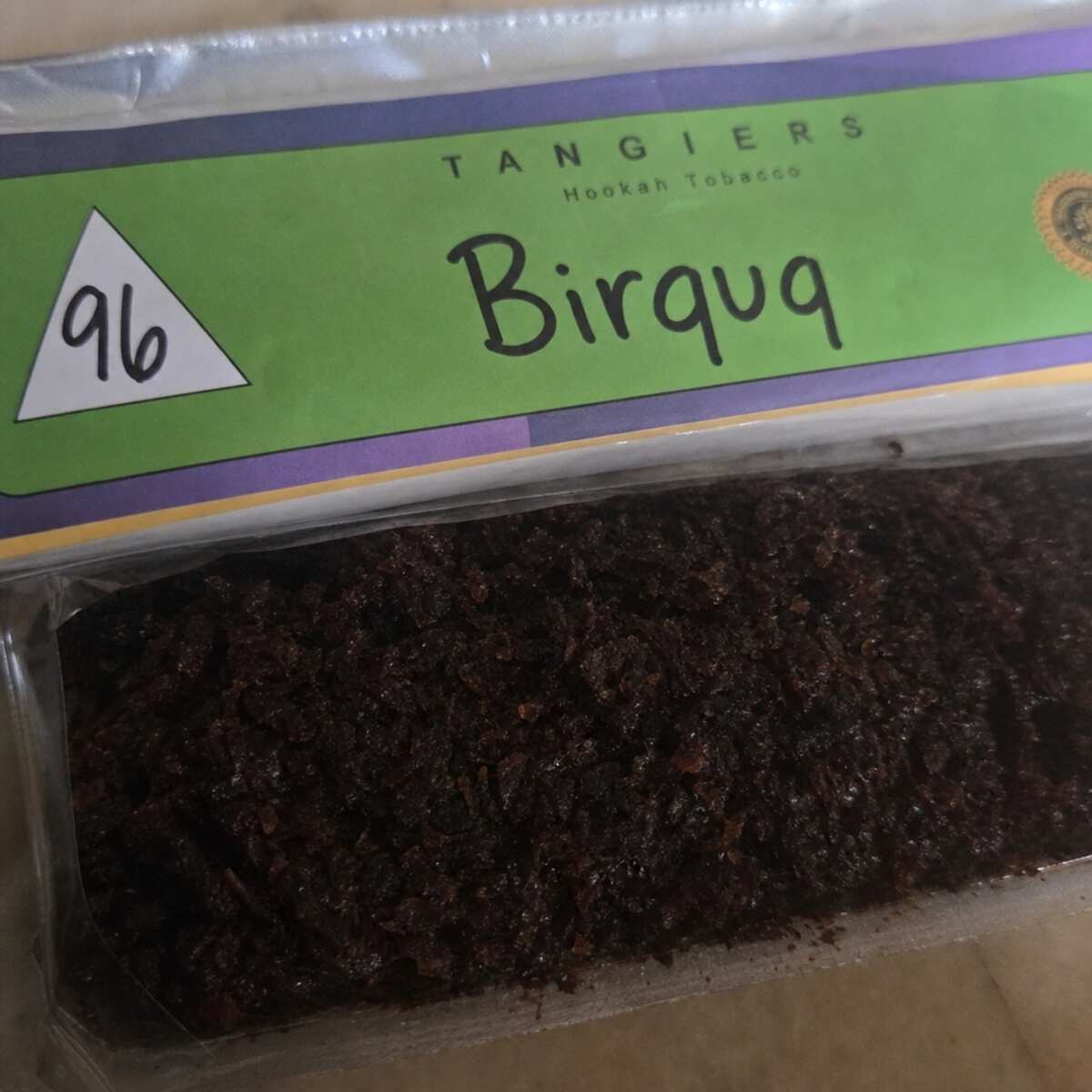
To prevent overwhelming sessions, Tangiers separates their tobacco into distinct product lines using a simple coffee gradient. If standard blonde leaf is a sweet latte, the Birquq line serves as a smooth medium roast—a noticeable step up in energy but still highly approachable. The flagship Noir line represents a standard espresso shot, delivering the robust, traditional kick the brand is famous for. For veterans with maximum tolerance, the Burley line acts as an intensely heavy, triple-shot ristretto.
Respecting these Tangiers lines guarantees a relaxing experience rather than a dizzying ordeal. Anyone exploring these authentic earthy flavors must start at the gentlest tier before safely scaling up the nicotine buzz levels. Easing into the brand allows your system to adjust smoothly, which is precisely why the gentler Birquq line is the ideal starting point.
Birquq: The Beginner’s ‘Green Label’ Gateway
Stepping into unwashed tobacco doesn’t have to be intimidating if you know what to look for on the shelf. The Tangiers green label marks their Birquq line, specifically crafted as the ultimate beginner dark leaf. Because it contains less natural stimulant than the brand’s heavier offerings, Birquq delivers the rich, authentic flavors of traditional shisha without overwhelming your system. It beautifully bridges the gap between the bright, syrupy modern shisha you might already know and the robust, earthy world of Tangiers.
What truly sets this low nicotine dark leaf apart is its forgiving nature during preparation. Birquq is uniquely formulated to ensure your first at-home experience is successful through three key characteristics:
- Lower heat requirement: It needs significantly less charcoal to produce thick, flavorful smoke.
- Easier acclimation: The tobacco adapts quickly to room humidity, usually ready to smoke immediately.
- Milder buzz: A gentle, steady nicotine release that relaxes rather than spins the room.
Treating this molasses gently with your coals is the absolute secret to a perfect bowl. Remember that Birquq is a low-heat dark leaf; using too much charcoal will quickly scorch the delicate flavor. Mastering this gentle heat management prepares you for the stronger blends in the lineup.
Noir: The ‘Yellow Label’ Gold Standard
Stepping up from the gentle introduction of the green label brings you to the absolute heart of the brand: Tangiers Noir. Recognized instantly by its iconic yellow packaging, this line represents the authentic hookah experience that put this legendary tobacco on the map. It is the gold standard for traditional dark leaf, offering an earthy foundation that perfectly complements the brand’s highly concentrated flavorings.
When evaluating the Noir vs Birquq vs Burley lines, think of Noir as a standard, full-bodied espresso compared to Birquq’s mild latte. It delivers a mid-tier nicotine strength that commands respect without being overly punishing. The buzz here is noticeably heavier than typical washed shisha, providing a deep, relaxing body sensation that pairs beautifully with the intense, long-lasting flavor profiles the yellow label is famous for.
Because this is a pure, unwashed tobacco, it is notoriously sensitive to changes in climate and humidity. If it smells slightly savory or flat when you first open the bag, your batch simply needs to “acclimate” to your room’s specific environment. Leaving the tobacco exposed in a shallow container for a few hours allows it to adjust, returning the sweet, intended aroma you purchased.
Mastering this standard unlocks a new level of longevity and flavor clarity for your sessions. Once you feel completely comfortable managing the heat and nicotine levels of this robust leaf, you might wonder what comes next. For those who eventually find Noir feeling a bit tame, the logical step is the intensely potent Burley line.
Burley: The ‘Purple Label’ for High-Tolerance Enthusiasts
Crossing the threshold from the yellow label to the purple brings you face-to-face with Tangiers Burley, a blend reserved strictly for veteran smokers. If Noir is a robust, standard espresso, Burley is a pure, unfiltered shot of dark roast. This line uses a specific type of unwashed tobacco known for its aggressive, earthy flavor profile and exceptionally high burley leaf shisha nicotine content. Because these natural nicotine levels are pushed to their absolute limits, this is not a tobacco you pack casually for a light social gathering.
What exactly do these high nicotine hookah tobacco effects feel like? Rather than the gentle, relaxing buzz of standard washed shisha, Tangiers Burley delivers a heavy, physical sensation that settles deep in your chest and shoulders. For those without a built-up tolerance, this intense delivery can quickly lead to lightheadedness or an uncomfortable dizzy spell. The flavor remains famously crystal clear, but the sheer weight of the nicotine demands complete respect.
To safely manage this powerhouse without ruining your evening, you must treat your session with tactical planning. Always follow these essential tips for smoking Burley:
- Have a full meal beforehand to give your body a solid physical foundation.
- Stay hydrated with water or tea throughout the entire session.
- Use small bowls to naturally limit your intake and prevent overwhelming your tolerance.
Beyond this extreme strength, the brand also pushes boundaries with an entirely different stimulant profile.
F-Line: Understanding the Caffeinated Tobacco Niche
While Noir provides a heavy, relaxing experience, the brand also created an entirely different kind of energy. Tangiers F-Line represents a historical rarity in the hookah world by directly blending caffeine in tobacco. If standard dark leaf is a calming evening tea, this highly specialized lineup is a double-shot espresso, designed specifically to wake you up rather than calm you down.
For those wondering exactly what is F-Line caffeinated shisha going to feel like, the answer lies in metabolic buzz interaction. Normally, strong nicotine acts as a mild sedative that slowly melts you into the couch. However, adding caffeine flips this script, creating an energetic, stimulating rush instead. This synergistic effect keeps your mind alert and your body energized, making it an aggressively “up” experience that is far better suited for a lively weekend gathering than winding down before bed.
Approaching this stimulating blend requires the exact same caution you would give an extra-large energy drink. Because the F-Line molasses carries both potent nicotine and active caffeine, keeping every drop of that liquid safely inside your setup is critical. Managing this dense, syrupy mixture without it leaking and ruining the flavor requires specific hardware.
Why the Phunnel Bowl is Non-Negotiable for Dark Leaf
Have you ever noticed sticky liquid leaking down your stem during a session? Traditional bowls feature holes drilled straight through the bottom, working fine for dry, fluffy blonde leaf. However, when you pack dense, syrupy dark leaf hookah tobacco into these, those holes act like open drains. The rich molasses simply drips away, leaving a dry, harsh-tasting bowl.
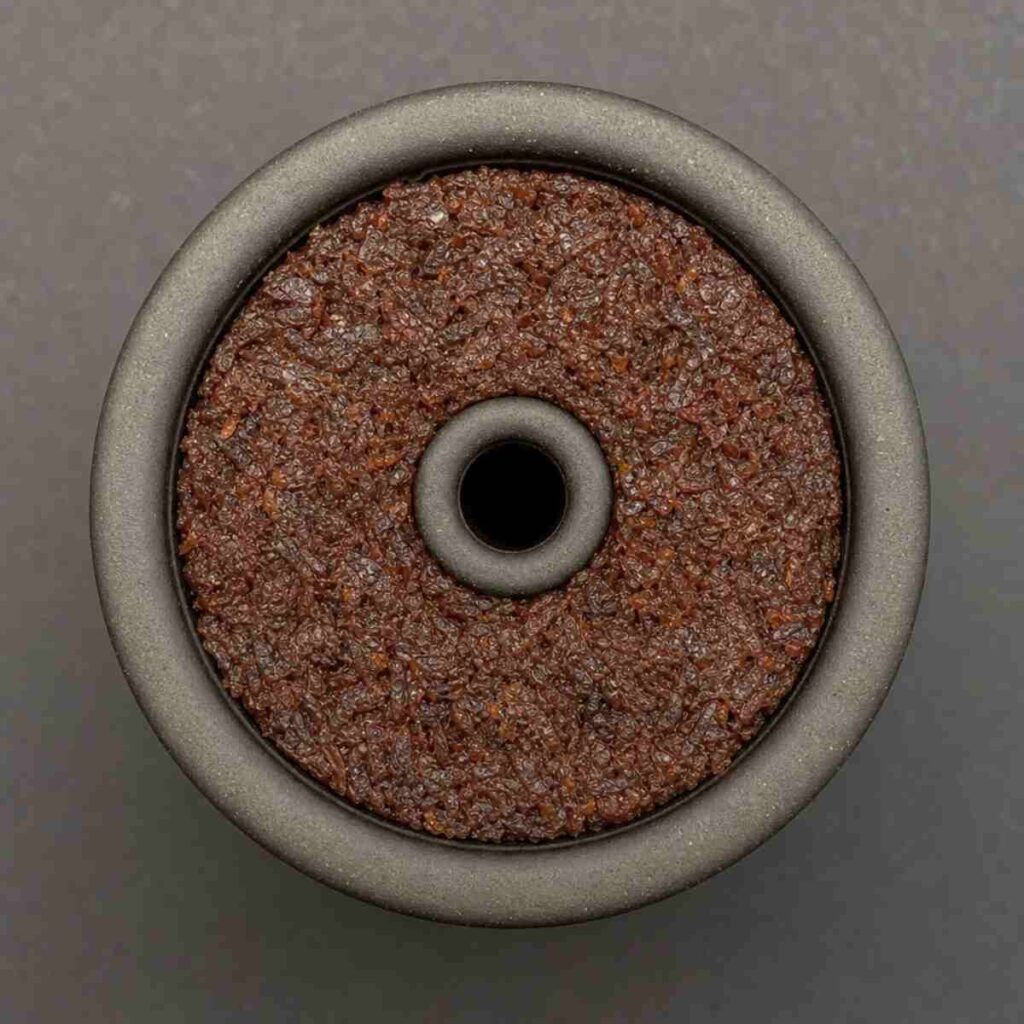
Solving this messy flavor loss requires completely changing the shape of your bowl. A Phunnel features a single, raised hole in the center, known as a spire. Think of a bundt cake pan: you pack tobacco in the outer ring while the raised center airflow stays clear. Without bottom holes, gravity cannot pull the liquid out, keeping every drop locked right where the heat reaches it.
This ability to trap syrup securely inside your hookah setup is exactly why a phunnel bowl for dark leaf is absolutely mandatory. The retained molasses simmers rather than burns, extending your session for hours with smooth, clear flavor. This central spire traps the liquid perfectly, but matching the bowl’s size to your session length is equally important.
Small Phunnel vs. Alien Bowls: Which One Wins for Solo Sessions?
Throwing away half-smoked dark leaf is like pouring out a premium craft beer. To avoid this waste, you need to practice bowl volume optimization—matching your bowl’s capacity to your desired smoking time. When choosing the best bowl for Tangiers for solo hookah sessions, the decision usually comes down to two legendary options: the shallow Alien Mini and the deeper Small Phunnel.
Their differences rely on the heat-to-surface-area ratio. A shallow bowl bakes tobacco quickly, much like a thin smashburger on a hot grill, whereas deeper bowls gently warm the lower layers over time.
- Alien Mini Bowl: Pros: Shallow design uses less tobacco for a highly intense, 60-minute session. Cons: Heats up incredibly fast, leaving little margin for error with charcoal placement.
- Small Phunnel Bowl: Pros: A deeper trench provides highly stable, forgiving heat distribution for multi-hour marathons. Cons: Leaves perfectly good tobacco unsmoked if you quit after an hour.
Your hardware choice directly dictates the physical scale of your preparation. With your ideal vessel selected, applying the correct packing pressure is what actually unlocks their flavor.
The Master Secret: How to Execute a Perfect ‘Dense Pack’
Standard, brightly colored hookah tobacco relies on a light sprinkle to let heat flow quickly. However, applying that airy method to Tangiers guarantees a harsh, burnt session. Recognizing the critical difference of a dense pack vs fluff pack is your true initiation into smoking dark leaf.
Mastering how to dense pack a phunnel bowl requires a completely different tactile approach. Think of this process like testing a firm memory foam mattress. You must actively compress the dark leaves into the trench until the tobacco lightly pushes back against the pressure, creating a solid, uniform ring of flavor.
The primary goal of this firm pressure is total air gap elimination. Tangiers relies on dense, uninterrupted mass to conduct heat evenly from the charcoal. If loose pockets of air remain hidden beneath the surface, those hollow spots will superheat instantly and scorch your bowl. Any reliable Tangiers packing guide stresses that achieving a famously smooth draw depends on pressing out every hidden pocket.
Once tightly compressed, the final step is crucial rim-gap management. Ensure the perfectly flat surface sits exactly two millimeters below the bowl’s outer edge, keeping the heat source from touching the leaves directly. While you can easily use your thumbs to pack, dedicated tools provide precision without the sticky mess.
The Oyster Fork Method: The Professional’s Tool for Precision
While your fingers can certainly apply pressure, upgrading to dedicated hookah packing tools elevates your session’s preparation. The undisputed champion for this job is a simple, three-pronged oyster fork. Using this small utensil keeps your hands completely free of sticky molasses while preventing your natural skin oils from contaminating the delicate flavor profile.
Beyond basic cleanliness, this tool offers an unmatched level of precision packing that thumbs simply cannot replicate. Using the flat back of the tines, you firmly “tamp” the dark leaf down into the bowl, much like a barista pressing espresso grounds into a portafilter. This focused, mechanical pressure helps you accurately gauge the density, ensuring you eliminate any hidden air pockets without over-compressing the leaf.
A perfectly flat surface becomes effortless to achieve with this technique. Gliding the curved edge of the fork over the top smooths out the tobacco, proving why the oyster fork packing method for shisha is the gold standard for creating an even, scorch-free bowl. Yet, even with flawless preparation, your bowl might still taste harsh if the tobacco hasn’t correctly adjusted to your room’s environment.
Beating the Humidity Shock: The Science of Acclimation
Opening an airtight pouch of dark leaf should be an aromatic revelation. However, moving sensitive unwashed shisha from a humid coastal factory to a dry home often triggers a temporary state called humidity shock. During transit, the tobacco loses its atmospheric equilibrium—the delicate balance between leaf moisture and the surrounding air—which temporarily locks away its intended flavor.
Fortunately, your nose is the only tool required to diagnose this problem. By performing a quick shisha smell test, you can easily determine if your batch is ready to smoke. A healthy pouch smells exactly like the flavor listed on its label. Conversely, if you inhale and detect a savory, pungent aroma resembling soy sauce or barbecue, you are experiencing classic humidity shock shisha symptoms.
That savory scent happens because the molasses and unwashed leaves are chemically reacting to your local air. When external humidity drops abruptly, the molasses tightens up, masking the delicate flavorings behind the raw, earthy aroma of the tobacco curing process. Through this simple olfactory diagnosis, you are witnessing a raw ingredient adjusting to a new environment, much like letting a cold premium steak rest at room temperature before cooking.
Once you identify this warning sign, your tobacco simply needs a brief moment to breathe. Recognizing this chemistry prevents ruined bowls, though modern batches rarely require the tedious waiting periods of the past.
The 4/20 Acclimation Myth: Why You Probably Don’t Need It
For years, one of the most pervasive hookah myths was the “4/20 rule,” instructing smokers to leave new tobacco open for four hours and closed for twenty. If you recently read an outdated Tangiers acclimation process guide, you might think you must wait a full day before enjoying your purchase. Fortunately, modern production methods make this dark leaf highly stable, eliminating that tedious waiting game.
Instead of staring at the clock, you can use the instant acclimation method to prepare your shisha in minutes. This trick relies on mechanical air distribution—forcing the heavy molasses and leaves to mix thoroughly inside the sealed package. By vigorously squishing the unopened bag, you manually reintegrate the juices, waking up dormant flavors and neutralizing that temporary soy-sauce smell.
Ready to fix your batch? Follow the ‘Instant Acclimation’ Checklist:
- Massage the bag: Knead the sealed pouch firmly for about three minutes.
- Check the scent: Open it to confirm the intended sweet aroma has fully returned.
- Transfer to container: Move the contents into a shallow, airtight plastic container.
Once your tobacco is stabilized, you are ready to pack. However, applying the correct temperature remains crucial.
Heat Management for Beginners: Taming the Dark Leaf
Transitioning from standard blonde tobacco to a robust dark leaf is a lot like switching from boiling pasta to searing a delicate piece of fish. Because Tangiers retains its natural oils and hasn’t been rinsed of its heavy molasses, it is highly sensitive to intense temperatures. If you drop three blazing pieces of charcoal directly into the center of the bowl like you might at a casual lounge, the top layer of shisha will instantly scorch.
To prevent your session from tasting like a bitter campfire just five minutes in, you must adopt a strict “less is more” philosophy. Proper heat management for unwashed tobacco requires a gentle touch, meaning you should always start with lower temperatures than you think you need. Instead of overcrowding the top of your bowl, begin with just two standard pieces of charcoal placed safely on the extreme outer edges.
Patience becomes your absolute best tool during this critical warm-up period. One of the most vital dark leaf heating tips is to let the bowl sit entirely untouched for about five minutes before taking your first draw. This slow, incremental heating allows the dense juices to reach a simmer naturally, waking up the rich flavors rather than shocking the leaves with sudden, aggressive heat from your hookah coals.
Gently coaxing the flavor out rewards you with a remarkably smooth draw. Finding that perfect temperature balance requires carefully selecting the right interface for your bowl.
Foil vs. HMD: Choosing the Right Interface for Tangiers
Deciding what sits between your charcoal and your Tangiers comes down to two options: heavy-duty aluminum foil or a modern Heat Management Device (HMD). The foil vs HMD debate ultimately dictates how quickly heat transfers into the dense tobacco. While an HMD offers incredible convenience, it acts like a thick cast-iron skillet that retains massive amounts of heat. Because this brand is so sensitive, using HMD with dark leaf tobacco requires constant monitoring so that the heavy metal doesn’t accidentally over-bake your bowl.
Many traditionalists argue that foil remains the superior choice because it allows for a technique known as the “rim touch.” Unlike standard preparations where the shisha sits well below the cover, a Tangiers bowl is packed just high enough to lightly graze the tight aluminum. This subtle contact creates a direct, controlled pathway for heat, much like pressing a panini against a hot grill. Furthermore, thin foil allows excess heat to dissipate rapidly into the air, giving you highly precise hookah heat management.
Both interfaces can produce a wonderfully smooth session if you respect the tobacco’s delicate nature. An HMD requires you to actively remove the lid or the entire unit before things get too hot, whereas foil demands a bit more hands-on ash clearing. Regardless of which metallic barrier you choose, mastering exactly where to position your heat source makes all the difference.
Coal Placement Strategy: The ‘Thirds’ Rule for Constant Flavor
Dumping too much heat on a dense pack instantly scorches it, making a reliable coal placement guide essential. Instead of laying glowing cubes flat, many smokers rely on the stonehenge coal method. By standing the coals upright on their narrow edges—like the ancient monoliths—you reduce the contact surface area, delivering a gentler, vertical heat that slowly wakes up the tobacco without shocking it.
When your bowl finally warms up, sustaining that perfect flavor requires mastering the “Thirds” rule of hookah coal rotation. Think of your bowl like a target, systematically moving the heat to chase untouched shisha as the session progresses. A standard rotation timeline follows this rhythm:
- 0-10 mins (outer edge): Coals sit on the absolute rim.
- 10-30 mins (inward shift): Nudge the shrinking coals toward the center.
- 45 mins (new coals): Introduce fresh heat.
This active migration prevents localized hot spots that ruin flavor clarity while keeping the nicotine buzz smooth and steady. Shifting the heat inward gradually roasts the inner rings of tobacco without over-baking the outside edge. Even with careful positioning, accidents happen; distinguishing between natural harshness and a burnt bowl is a vital troubleshooting skill.
Why Does My Tangiers Taste Burnt? A 3-Step Diagnostic
Nothing ruins a relaxing session faster than inhaling what tastes like an active campfire. When figuring out why does my dark leaf taste burnt, first distinguish between a “harsh” smoke and a “burnt” one. Harshness hits your throat as a sharp nicotine buzz, but a genuinely burnt flavor tastes bitter and coats your tongue in ash.
If you taste bitter ash, your first diagnostic step is checking for air-gap scorching. Even if you practiced the dense pack technique, leaving hidden air pockets inside the tobacco creates miniature ovens. Instead of heat transferring smoothly across a solid layer, those empty pockets superheat and fry the surrounding leaves, making thorough troubleshooting Tangiers packing methods essential.
The second culprit is usually poor height clearance between your tobacco and the foil. Think of it like putting bread too close to the broiler; if the shisha physically touches the metal too hard, direct contact immediately singes the top layer. Press the tobacco down just enough to leave a tiny, coin-thick gap so heat radiates downward, providing a reliable hookah burnt flavor fix.
Finally, assess your overall heat load. If your density and height are perfect, you simply might have too many coals. You can actually save the bowl without starting over by removing one coal and gently blowing into your hose to clear the stale smoke. Mastering these precise mechanics reveals the genius behind the brand’s unique design and artisanal roots.
The History of Eric Hoffman and the San Diego Roots
Long before dark leaf tobacco became a global phenomenon, the Eric Hoffman San Diego shisha history began with a simple desire for a better smoke. Armed with a chemistry degree, Hoffman approached hookah history as an uncompromising artisan rather than a marketer. He created Tangiers as a small-batch, unwashed tobacco that retained its rich, natural molasses, refusing to mass-produce or abandon his intense craft-over-commercialism philosophy.
Because this distinctly dense tobacco ruined traditional setups by dripping juices down the stem, Hoffman invented the Phunnel bowl—a revolutionary clay design featuring a single raised center spire that traps the liquid. This dedication to perfect mechanics defined the legendary Tangiers lounge story. Visitors to his establishment quickly learned about his strict house rules, which heavily prioritized smoking etiquette and flavor purity over casual socializing.
Every package still reflects that unapologetic artisan hookah culture, hand-packed with meticulous care. To truly honor the craft and keep those heavy, complex notes from degrading between sessions, proper storage is essential.
Storing Shisha in Shallow Containers to Preserve Flavor
Proper hookah tobacco storage requires abandoning the tall glass jars many casual smokers use. Gravity is the ultimate enemy of unwashed dark leaf tobacco. Because Tangiers is exceptionally dense, its rich natural molasses inevitably sinks to the bottom of a vertical jar over time. This separation leaves your top layer dry and harsh to smoke, while the bottom becomes an unsmokable, syrupy mess.
To combat this gravity problem, storing shisha in shallow containers is the community standard. Think of it like marinating a steak: laying the meat flat ensures even absorption across the whole surface. Spreading the dark leaves horizontally in a basic Tupperware container—keeping the tobacco about an inch deep—ensures every piece stays equally soaked. This horizontal storage method guarantees a consistent, flavorful session from the first pinch to the last.
Recognizing moisture imbalance is the secret to keeping shisha fresh. If your leaves ever look dull or feel brittle, simply use a fork to firmly fold the settled juices back into the tobacco. Mastering this essential maintenance habit prepares you to experience the brand’s legendary profiles at their absolute peak.
Cane Mint: The Crown Jewel of Hookah Flavors
Among famous hookah flavors, Tangiers Cane Mint stands alone as the ultimate flavor benchmark. Most standard tobaccos rely on sharp menthol or sweet spearmint that fades rapidly. Instead, this dark leaf captures the intense cooling sensation of pure peppermint oil. Smoking it feels like tasting a real, frosty peppermint leaf rather than chewing a piece of sugary, artificial gum.
Navigating this powerhouse means choosing the right nicotine level, much like selecting heat on a spicy pepper scale. The Birquq line offers a mild entry point where the bright mint shines without overwhelming your senses. Stepping up to the standard Noir line provides a medium, earthy buzz that beautifully balances the cold with rich tobacco notes. Meanwhile, the Burley variation acts as the “extra hot” option, delivering a famously heavy nicotine kick reserved for seasoned smokers.
Because it is handmade in small quantities to meet massive seasonal demand, you might notice slight batch variations in that signature peppermint sharpness. These subtle shifts are completely normal for artisanal products. Whether you secure a deeply earthy batch or an intensely frosty one, this profile creates the perfect foundation for the best cane mint flavor mixes. Once mastered solo, it becomes an exceptional component for complex mixes.
The Top 5 Tangiers Mixes You Haven’t Tried
Crafting a custom bowl is like being a master mixologist; you need a strong base and a subtle accent. When building complex, multi-layered profiles, the golden rule is the 70/30 ratio. Instead of splitting everything equally, let your dominant flavor take up 70% of the space, using the remaining 30% as an aromatic highlight.
To achieve proper flavor layering, you must use the correct technique. Rather than physically stirring the sticky dark leaves together, utilize “side-by-side packing.” Simply press your dominant flavor into one half of the bowl using the firm dense pack method you learned earlier, and place the accent tightly against it on the other side. As the bowl heats up, the tastes naturally merge in the smoke rather than muddying together at the bottom of the bowl.
Ready to test this out? Try these standout hookah mixing recipes:
- The Creamsicle: 70% Orange Soda, 30% French Vanilla.
- The Winter Morning: 70% Cocoa, 30% Cane Mint (one of the absolute best cane mint flavor mixes).
- The Spice Route: 70% Kashmir Peach, 30% Horchata.
- The Tropical Punch: 70% It’s Like That Other Guy, 30% Pineapple.
- The Classic: 70% Noir Cherry, 30% Cane Mint (a legendary staple among Tangiers flavor combinations).
Experiencing these culinary-level pairings is incredibly rewarding, but this unwashed tobacco still packs a serious punch. Before lighting your charcoal to dive into these artisan bowls, you must prepare for how your body will react to the strength.
Managing the Nicotine Buzz: Safety for New Smokers
Enjoying those gourmet pairings requires respecting the sheer strength of this dark leaf tobacco. Because Tangiers is unwashed, it retains its natural nicotine, creating the legendary “Tangiers Buzz.” For smokers used to standard blends, the high nicotine hookah tobacco effects feel like drinking a triple-shot espresso on an empty stomach. This rush can quickly become nausea—known as nicotine sickness—if you dive in unprepared.
Proactive hookah sickness prevention starts before the coals even light. Your body requires metabolic buffering, meaning it needs active fuel to process the strong stimulant. Never smoke on an empty stomach. Eating a hearty meal beforehand and staying hydrated keeps your blood pressure stable. This simple fuel slows the physical absorption rate, ensuring a smooth, sustained session rather than an overwhelming crash.
Even with careful preparation, you might occasionally feel unexpectedly dizzy. Effective nicotine buzz management means recognizing these warning signs and immediately putting the hose down for fresh air. Consuming a sugar-heavy snack rapidly stabilizes your blood sugar and counters the nausea. Once your body is balanced and comfortable, you can focus on perfecting the smoke itself.
Troubleshooting the ‘Harshness’ vs. ‘Throat Hit’
Mastering the physical sensation of smoking Tangiers is your next hurdle. If you have only ever experienced washed, blonde tobacco, your first pull might make you cough. This isn’t a flaw; it is the signature hookah throat hit. Dark leaf tobacco delivers a heavy “thump” at the back of your throat, similar to the robust chest feel of a dark-roast espresso. This rich dark leaf shisha experience is completely intentional.
Beginners often panic and wonder, “why does my dark leaf taste burnt?” when they simply feel this natural thump. To stop adjusting your coals unnecessarily based on a phantom problem, use this diagnostic check:
- Natural Throat Hit: Delivers good flavor, thick clouds, and a slight tickle at the back of the throat.
- Harshness: Yields a burnt taste, thin clouds, and a sharp, stinging sensation that forces an uncomfortable cough.
Recognizing this distinction ensures you don’t ruin a perfect bowl by prematurely removing your heat source. Once you appreciate that heavy thump, your sessions transform into true craft experiences. Preserving this unique quality long-term requires dedicated care and maintenance.
Long-Term Care: Keeping Your Tangiers Fresh for 6+ Months
Buying a premium dark leaf tobacco is a genuine investment, and protecting its rich flavor requires moving beyond the original wrapper. While casual smokers often leave their blends in the plastic pouch, transferring Tangiers into a wide, flat Tupperware is essential. Storing shisha in shallow containers guarantees the molasses remains evenly distributed across the leaves, rather than pooling at the bottom and drying out the top layer. This simple habit lays the foundation for maximizing your hookah tobacco shelf life.
Protecting your supply also involves managing its physical environment closely. Keep your containers in a dark, room-temperature cabinet to avoid drastic temperature swings that degrade the delicate oils. A common misconception among beginners is that placing tobacco in the fridge will magically lock in shisha freshness. In reality, cold air shocks the leaves and causes the syrup to seize up like refrigerated honey, completely dulling the taste.
Over time, properly stored Tangiers actually improves through a natural flavor aging process, mellowing out much like a bottle of wine left in a quiet cellar. To achieve this mature smoke, however, you must meticulously prevent “ghosting”—the lingering transfer of strong smells permanently trapped in plastic. Never reuse a container for a new flavor without scrubbing it with baking soda first, or residual mint will immediately taint your fresh cherry blend.
Combining clean, dedicated storage with a stable temperature environment easily stretches a single batch’s peak quality to well over a year. Your dark leaf is now perfectly acclimated, safely housed, and ready to be packed into the bowl. With preparation and preservation fully mastered, you are finally equipped to execute your session.
Your First Tangiers Session Blueprint: A Step-by-Step Summary
You’ve graduated from the bright, syrupy bowls of standard lounges. You now understand the espresso-like depth of unwashed tobacco and are equipped to master dark leaf.
Lock in your success with The ‘Ready-to-Smoke’ 5-Point Checklist:
- Pick Birquq: Choose this milder line for manageable nicotine.
- Small Phunnel: Use this bowl to keep juices trapped.
- Dense Pack: Press firmly with a fork until it resists like memory foam.
- Two Coals: Start cool to prevent scorching the leaves.
- Patience: Let it bake undisturbed for five minutes.
If your first session tastes harsh, do not panic. Every seasoned enthusiast started with a burnt bowl while learning how to smoke Tangiers.
Adjust your heat, trust your tactile preparation, and confidently embrace the rewarding learning curve. You are no longer just smoking; you are meticulously crafting a premium session that honors the authentic dark leaf tradition.
